

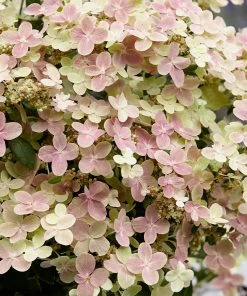
Brighter Blooms Early Evolution Hydrangea
Original price was: $39.99.$27.99Current price is: $27.99.
- Shop with confidence, we guarantee quality.
- 7 Days of Hassle-Free Returns
- Quality products for every lifestyle.
- 7-Day Returns, 100% Quality

Evolving Color on a Perfectly Compact Hydrangea
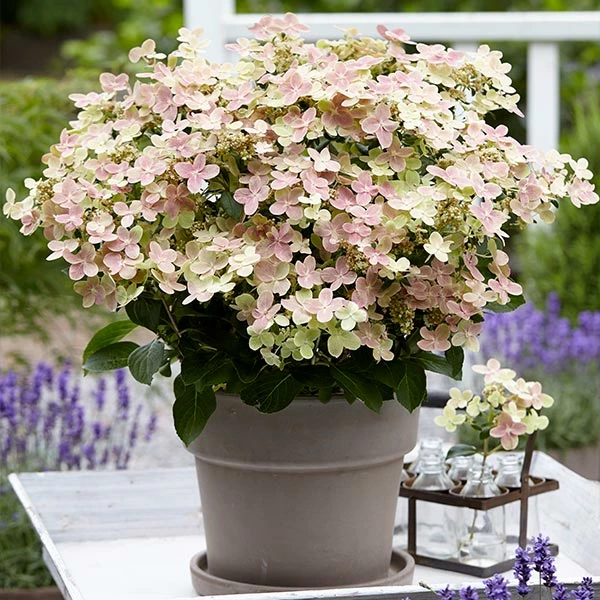
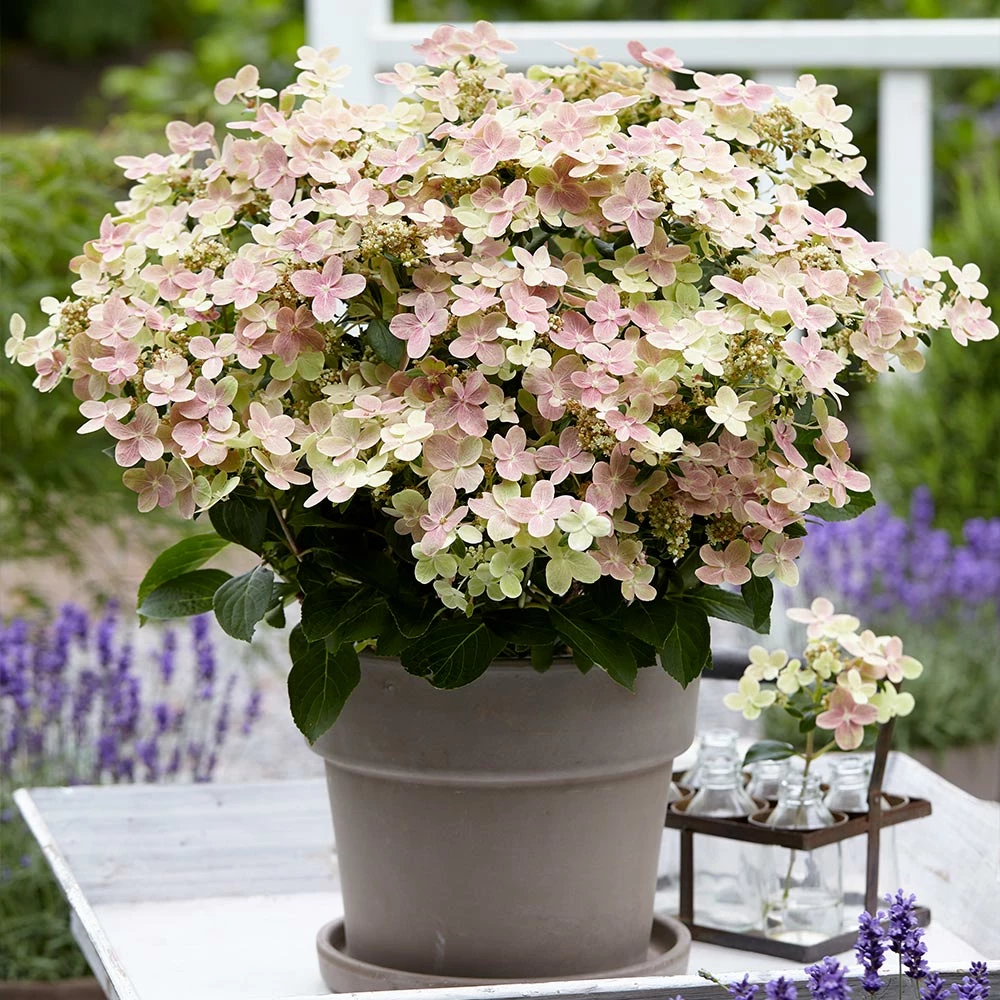
For a hydrangea unlike any other, look no further than the Early Evolution Hydrangea! An incredibly unique panicle hydrangea, these blooms cover the shrub with strong, upright stems and large, lush flowers. A stunning shape and multiple colors make this perfect for any space.
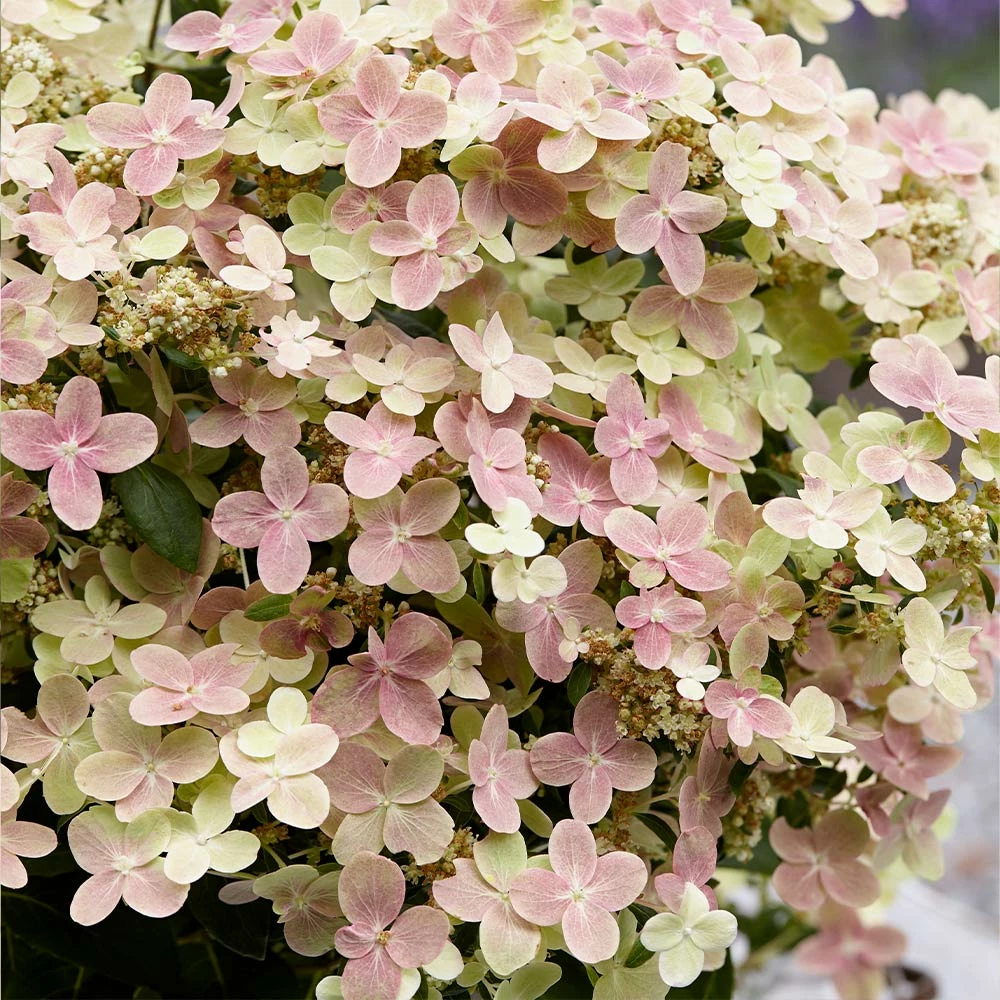
Named the Evolution Hydrangea for its variety of color, these buds form in late spring and change colors until fall, offering long-lasting interest. Blooms start out a pale lime-green before turning white, then blush and finally dark pink.
Plus, it’s smaller than most hydrangeas, so it can be planted just about anywhere! Perfect for containers, garden beds, mass plantings, porches or even indoors on windowsills where it can receive enough sunlight. You won’t find another hydrangea this compact and low-maintenance.
This long-lasting flower gives off five full months of blooms, meaning half your year is full of color and fragrance! Add the cuttings to a bouquet, or save them and dry them for years to come.
Want your own personal butterfly garden in your backyard? This stunning plant also attracts butterflies, hummingbirds and bees, so you can have a lively backyard.
For your own rainbow of color, order the Early Evolution Hydrangea today!
Planting & Care
1. Planting: Choose a location with morning sun and afternoon shade. Avoid planting your hydrangeas in a heavily shaded spot. Soil content is also important for hydrangeas because it should drain well yet also maintain sufficient moisture.
When you’re ready to plant, dig the planting hole 2 feet wider than the root ball and to a depth of the tip of the root ball. Set the hydrangea in the hole, making sure it’s not planted too deeply. Finally, water to settle the roots.
2. Watering: Give your hydrangea an inch of water each week. This includes any rainfall. If you’re not sure when and how much to water, simply check the surrounding soil about 2 inches down. If the soil is dry here, it’s time to water until it’s moist.
3. Fertilizing: Fertilize your hydrangeas once in the summer prior to August. Apply a good time-release fertilizer at this time, only one time during the year. Discontinue fertilizing if the plant appears wilted or unhealthy.
4. Pruning: Prune in the spring to remove dead tips from winter. You can also prune back in the fall or early spring for shaping without worry – it’ll grow and bloom again!
| Size | 2 Quart, 2 Gallon |
|---|
8 reviews for Brighter Blooms Early Evolution Hydrangea
Add a review
Related products

Fig Trees
New Arrivals
Cherry Trees

By Color


Fertilizers & Soil Additives
Brighter Blooms Fertilizers & Soil Additives Root Rocket® All-Purpose Organic Fertilizer
Add Some Color To Your Landscape
Emily Johnson –
The Brighter Blooms Early Evolution Hydrangea is absolutely stunning! The blooms are vibrant and the plant is thriving in my garden. Highly recommend!
Michael Brown –
I was skeptical at first, but this hydrangea has exceeded my expectations. It’s easy to care for and the flowers are beautiful.
Sarah Davis –
This hydrangea is a showstopper! The early blooms are a lovely addition to my garden. It’s definitely worth the investment.
David Wilson –
The Brighter Blooms Early Evolution Hydrangea is a great addition to any garden. The plant is healthy and the blooms are gorgeous.
Laura Martinez –
I love this hydrangea! It’s easy to grow and the flowers are so pretty. It’s a must-have for any garden enthusiast.
James Anderson –
This hydrangea is beautiful, but it requires a bit more care than I expected. Still, the blooms are worth it.
Patricia Taylor –
The Brighter Blooms Early Evolution Hydrangea is a fantastic plant. It’s thriving in my garden and the flowers are stunning.
Robert Thomas –
I’m very happy with this hydrangea. It’s easy to care for and the blooms are beautiful. Highly recommend!